Wellness for Mature Men
Balanced information on nutrition, activity, and lifestyle patterns
This section presents educational information about wellness patterns, nutritional approaches, and lifestyle factors particularly relevant for men beyond age 40. The focus is on factual information about how various lifestyle choices support sustained health and vitality.
Understanding Wellness in Mature Years
As men progress into their forties and beyond, sustained wellness increasingly depends on comprehensive, integrated approaches that address multiple dimensions of health simultaneously. This is not about dramatic transformations, but rather about consistent practices that support the body's evolving needs.
The following areas represent foundational wellness factors backed by extensive scientific research:
Core Wellness Dimensions
- Nutritional adequacy and dietary variety
- Consistent physical activity and movement
- Quality sleep and natural sleep cycles
- Stress management and psychological wellbeing
- Social connection and meaningful relationships
- Cognitive engagement and mental stimulation
Nutritional Approaches for Sustained Wellness
Micronutrient Adequacy
As men age, the importance of adequate micronutrient intake becomes increasingly apparent. Key minerals like zinc, magnesium, selenium, and chromium support metabolic function, immune response, and cellular energy production.
Plant-based sources provide these minerals alongside beneficial phytonutrients and fiber. Whole grains, legumes, nuts, seeds, leafy greens, and colorful vegetables represent nutritionally dense options across diverse dietary approaches.

General Nutritional Guidelines
- Dietary diversity: Consume foods from multiple plant families to ensure comprehensive micronutrient intake
- Whole grains emphasis: Choose whole grains over refined carbohydrates for sustained energy and fiber
- Legume inclusion: Beans, lentils, and peas provide protein, fiber, and resistant starch
- Adequate protein: Support muscle maintenance through consistent protein consumption from varied sources
- Healthy fats: Include sources like nuts, seeds, olive oil, and avocados for cardiovascular and neurological support
- Abundant produce: Vegetables and fruits provide vitamins, minerals, phytonutrients, and protective compounds
Functional Foods in Traditional Alpine Contexts
Certain plant compounds have been valued across generations within Alpine and European cultural contexts for their potential to support general wellness. These include various Alpine herbs, berries, nuts, and botanical species rich in polyphenols and micronutrients.
Modern scientific research increasingly validates the bioactive properties of many traditional Alpine botanicals, demonstrating that cultural practices often reflect sophisticated understanding of plant biochemistry and human physiology.
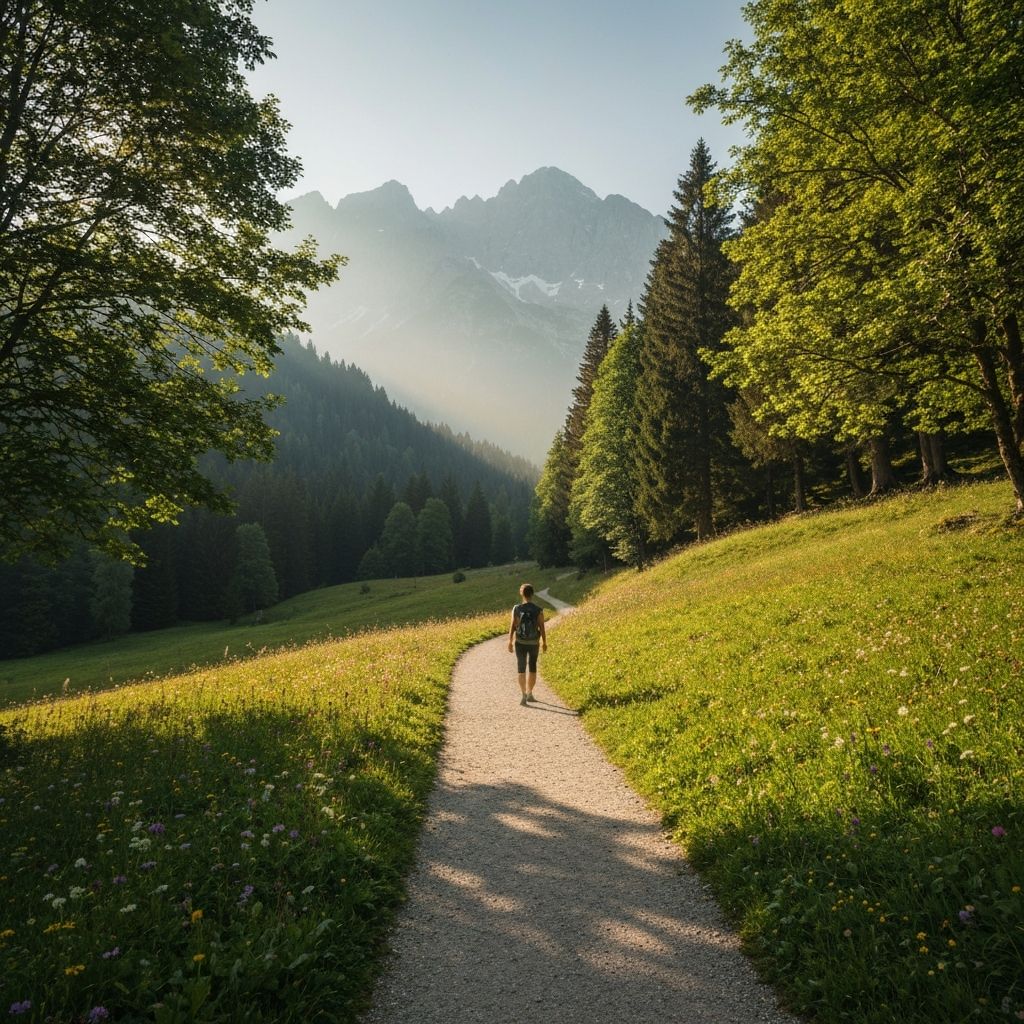
Physical Activity and Gentle Movement
Consistent physical activity represents one of the most powerful wellness interventions available to men at any age. For mature men, moderate, sustainable activity proves more valuable than sporadic intense effort.
Walking represents an accessible, effective activity that supports cardiovascular health, maintains muscle and bone integrity, improves metabolic function, and contributes to psychological wellbeing. Alpine terrain, with its varied inclines and natural beauty, provides particularly enriching walking environments.
The key to sustained activity lies in finding practices that are genuinely enjoyable, accessible year-round, and easily maintained across decades. Regular, moderate activity surpasses irregular intense effort in producing long-term health benefits.
Activity Guidelines for Mature Men
- 150 minutes of moderate-intensity aerobic activity weekly
- Strength-maintaining activities at least twice weekly
- Flexibility and balance work to prevent falls and maintain mobility
- Consistent participation rather than sporadic intense effort
- Activities that are genuinely enjoyable and sustainable
Rest, Recovery, and Sleep Quality
Quality sleep becomes increasingly important as men age. During sleep, the body performs critical maintenance functions: cellular repair, memory consolidation, hormone regulation, and immune system strengthening.
Supporting natural sleep through consistent schedules, optimal sleep environments, limitation of evening stimulants, and attention to natural light cycles reflects both ancient wisdom and contemporary sleep science.
Traditional Alpine practices—including attention to seasonal light patterns, evening herbal infusions, and evening rest rituals—align with modern chronobiology research regarding optimal sleep support.

Sleep Support Practices
- Maintain consistent sleep and wake times, including weekends
- Create cool, dark, quiet sleeping environments
- Limit screen exposure in evening hours
- Avoid caffeine, alcohol, and heavy meals close to bedtime
- Engage in relaxing evening activities or gentle stretching
- Maintain regular physical activity during daytime
- Exposure to natural light, particularly morning light
Integrated Wellness Approach
Optimal wellness in mature years emerges not from any single factor, but from the integration of nutritious eating, consistent movement, quality rest, stress management, cognitive engagement, and meaningful social connection.
Important Disclaimer
This information is educational and general in nature. It does not constitute medical advice, diagnosis, or treatment recommendations. Individual health situations vary significantly based on genetics, medical history, current medications, and specific health conditions.
All men, particularly those with existing health conditions or taking medications, should consult qualified healthcare professionals before making significant lifestyle changes or beginning new supplement regimens. Personalized medical guidance is essential for safe, appropriate wellness decisions.
Continue Your Exploration
Discover more educational content about Alpine botanical traditions, plant compounds, and wellness patterns supporting vitality in mature years.